The fashion industry is one of the largest polluters globally, contributing significantly to environmental degradation, water pollution, and waste generation. In recent years, the concept of sustainable fashion has gained traction, urging consumers and brands alike to adopt more eco-friendly and ethical practices. For the conscious consumer in India, navigating the world of sustainable fashion can be overwhelming due to greenwashing, lack of transparency, and limited accessibility. This guide aims to demystify sustainable fashion, providing actionable insights, facts, and resources to help you make informed choices. Whether you are new to the concept or looking to deepen your knowledge, this comprehensive resource will equip you with the tools to build a wardrobe that aligns with your values.
1. What Is Sustainable Fashion?
Sustainable fashion refers to clothing, accessories, and footwear that are designed, produced, and consumed in ways that minimize environmental impact and promote social responsibility. It encompasses:
- Ethical Production: Ensuring fair wages, safe working conditions, and workers’ rights.
- Eco-Friendly Materials: Using organic, recycled, or low-impact fabrics.
- Circular Economy: Designing products for longevity, recyclability, and reuse.
- Transparency: Brands openly sharing their supply chain practices.
Why It Matters:
- The fashion industry produces 10% of global carbon emissions.
- It is the second-largest consumer of water worldwide.
- Approximately 85% of textiles end up in landfills annually.
2. Key Pillars of Sustainable Fashion
2.1. Ethical Production
- Fair Wages: Garment workers, particularly in developing countries, often earn below living wages. Supporting brands that ensure fair compensation is crucial.
- Safe Working Conditions: Tragedies like the Rana Plaza collapse in Bangladesh highlight the need for safer factories.
- Child Labor-Free: Many fast-fashion brands have been linked to child labor. Certifications like Fair Trade ensure ethical practices.
2.2. Eco-Friendly Materials
- Organic Cotton: Grown without synthetic pesticides, reducing water consumption and soil damage.
- Hemp and Linen: Require minimal water and pesticides.
- Recycled Fabrics: Made from post-consumer waste like plastic bottles or discarded textiles.
- Tencel/Lyocell: A biodegradable fabric made from sustainably sourced wood pulp.
2.3. Circular Fashion
- Upcycling: Transforming old clothes into new products.
- Clothing Rentals: Reducing waste by renting outfits for special occasions.
- Secondhand Shopping: Extending the life of garments through thrifting.
- Repair and Care: Maintaining clothes to prolong their lifespan.
2.4. Transparency
- Brands like Patagonia and Everlane openly share their supply chain details.
- Certifications such as GOTS (Global Organic Textile Standard) and B Corp validate ethical and environmental claims.
3. The Indian Context: Challenges and Opportunities
3.1. Challenges
- Greenwashing: Many brands falsely claim to be sustainable without evidence.
- Lack of Awareness: Consumers often prioritize price over ethics.
- Limited Accessibility: Sustainable brands are often niche and expensive.
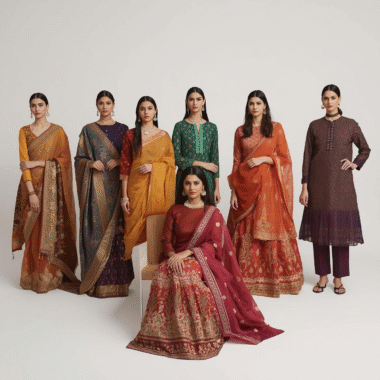
- Cultural Factors: Traditional clothing like sarees and kurta-pajamas are already sustainable due to their longevity, but modern trends favor fast fashion.
3.2. Opportunities
- Handloom and Handicrafts: India has a rich heritage of handloom textiles like Khadi, Banarasi silk, and Kanjeevaram, which are inherently sustainable.
- Government Initiatives: Schemes like the Handloom Mark and Khadi Mark promote traditional crafts.
- Growing Consumer Awareness: Younger generations are increasingly demanding ethical products.
4. How to Be a Conscious Consumer
4.1. Educate Yourself
- Learn about fabrics: Avoid polyester (made from petroleum) and opt for organic or recycled materials.
- Understand certifications: Look for GOTS, Fair Trade, or OEKO-TEX labels.
4.2. Support Sustainable Brands
- Indian Sustainable Brands:
- Doodlage: Upcycles industrial waste into trendy clothing.
- No Nasties: Offers 100% organic cotton clothing.
- Ethicus: Promotes organic cotton and handloom sarees.
- International Brands: Patagonia, Everlane, and Stella McCartney.
4.3. Adopt Circular Practices
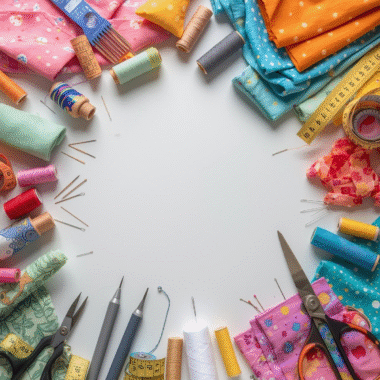
- Repair: Learn basic stitching to mend clothes.
- Donate: Give old clothes to organizations like Goonj or Uday Foundation.
- Swap: Host clothing swap parties with friends.
- Rent: Use platforms like Flyrobe for occasion wear.
4.4. Reduce Consumption
- Quality Over Quantity: Invest in timeless pieces rather than trend-driven items.
- Capsule Wardrobe: Build a minimalist wardrobe with versatile items.
- Mindful Shopping: Ask yourself, “Do I really need this?” before purchasing.
5. Debunking Myths About Sustainable Fashion
Myth 1: Sustainable Fashion Is Expensive.
- Fact: While upfront costs may be higher, sustainable clothes last longer, reducing long-term expenses. Secondhand shopping is also affordable.
Myth 2: It’s Only for Minimalists.
- Fact: Sustainable fashion includes vibrant, trendy options from upcycled or ethical brands.
Myth 3: It Doesn’t Make a Difference.
- Fact: Individual actions collectively drive change. Supporting ethical brands pressures larger companies to adopt better practices.
6. The Future of Sustainable Fashion in India
- Innovations: Bio-fabrication (e.g., lab-grown leather) and waterless dyeing techniques.
- Policy Changes: Stricter regulations on waste management and labor rights.
- Consumer Shift: Increased demand for transparency and sustainability.

Conclusion
Sustainable fashion is not a trend but a necessity. As consumers, we have the power to drive change by making informed choices. Start small: swap one fast-fashion item with a sustainable alternative, repair a torn garment, or educate a friend. Together, we can transform the fashion industry into a force for good.
Explore Kapradekho.com’s curated collection of sustainable fashion options to begin your journey toward a greener wardrobe.