Welcome to the most wonderful, chaotic, and stylish time of the year: Indian wedding season. If your calendar is dotted with save-the-dates and your inbox is flooded with digital invitations, you’re not alone. Along with the joy of celebrating love comes that familiar, nagging question: “What on earth am I going to wear?”
An Indian wedding isn’t a single event; it’s a multi-day extravaganza, a kaleidoscope of rituals, each with its own unspoken dress code. Navigating this sartorial landscape can feel overwhelming. The fear of being underdressed, overdressed, or worse—clashing with the theme—is real. But fear not. This guide is your personal stylist, your fashion confidante, and your ultimate resource for navigating the intricate world of Indian wedding guest attire. Consider this your go-to manual for looking impeccably appropriate and stunningly stylish from the sangeet to the reception.
Let’s start by demystifying the events themselves. Understanding the vibe and cultural significance of each function is the first step to dressing right.
The pre-wedding festivities often kick off with the Mehendi and Haldi ceremonies. The Mehendi is all about joy, music, and intricate henna designs. The color palette here is traditionally green and yellow, symbolizing prosperity and happiness. Outfits should be bright, cheerful, and, most importantly, comfortable. Think easy-breezy fabrics like cotton or linen that allow you to sit on the floor and partake in the rituals. A Haldi ceremony is a vibrant, messy, and beautiful affair where turmeric paste is applied to the bride and groom. White or yellow is the traditional color choice, as it complements the yellow turmeric and is considered auspicious. Wear something you won’t mind getting a little stained—a simple yellow kurta set or a white Anarkali is perfect.
Next comes the Sangeet, a night of music, dance, and performance. This is where you can truly let your glamour shine. The sangeet calls for glamorous, sparkly, and fun outfits that allow for movement. It’s the perfect occasion for a sequined lehenga, a heavily embroidered Anarkali, or a stylish cocktail dress. For men, a well-fitted bandhgala jacket or an embroidered sherwani is a great choice. Don’t be afraid to experiment with bold colors and statement accessories here.
The wedding ceremony itself is sacred, traditional, and elegant. This is a time to respect customs and opt for more refined, classic attire. For women, a beautiful silk saree in a rich color like maroon, emerald green, or navy blue is always a safe and stunning bet. A traditional lehenga or a sophisticated salwar kameez also works beautifully. For men, a classic sherwani or a simple yet elegant kurta pyjama in muted, traditional colors is ideal. The key is to look polished and respectful.
Finally, the reception is a grand party celebrating the newly married couple. This is your chance to go all out with glamour and sophistication. Think floor-length gowns, designer lehengas with intricate work, and sharp tuxedos or designer suits. The reception is all about making a statement and celebrating in high style.
Now that we’ve broken down the events, let’s delve into the heart of the matter: choosing the perfect outfit. The first rule of being a wedding guest is to never outshine the bride. This means avoiding red, which is traditionally reserved for the bride, and white, which is often associated with mourning in Indian culture. While these rules have relaxed somewhat in modern times, it’s still best to err on the side of caution. Instead, opt for a rich palette of jewel tones like emerald green, sapphire blue, royal purple, or fuchsia. These colors are festive, photogenic, and perfectly appropriate. Pastels like blush pink, mint green, and powder blue are also excellent choices for daytime events, offering a soft and elegant look.
Beyond color, fabric plays a crucial role in your comfort and appearance. Indian weddings can be long affairs, often spanning several hours in varying temperatures. Choosing the right fabric ensures you look good and feel comfortable throughout the event. For summer weddings, breathable fabrics like cotton, linen, and georgette are your best friends. They are light, airy, and help you stay cool. For winter weddings, you can opt for richer, heavier fabrics like velvet, silk, brocade, and wool. These fabrics not only provide warmth but also add a touch of opulence and grandeur to your look.
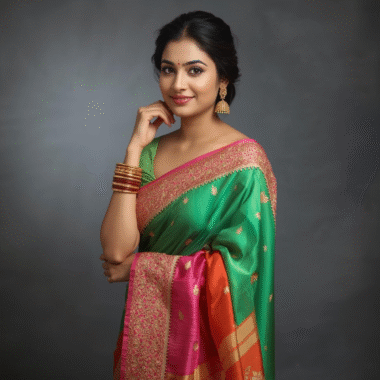
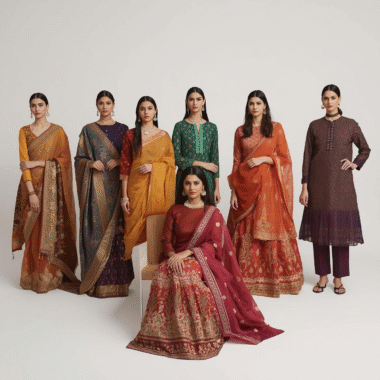
Now, let’s explore the vast and beautiful world of outfit options for women. The saree is the quintessential symbol of Indian elegance. It is timeless, versatile, and always appropriate. A silk kanjeevaram or Banarasi saree is perfect for a traditional wedding ceremony, while a lighter chiffon or georgette saree with intricate embroidery works well for a sangeet or reception. The key to rocking a saree is in the draping and the blouse. Experiment with different draping styles—a classic nivi drape for elegance, a Bengali style for tradition, or a modern pant-style drape for a contemporary twist. Your blouse can also be a statement piece; consider off-shoulder, backless, or high-neck designs to add a unique touch.
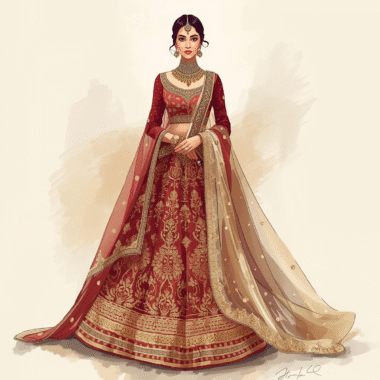
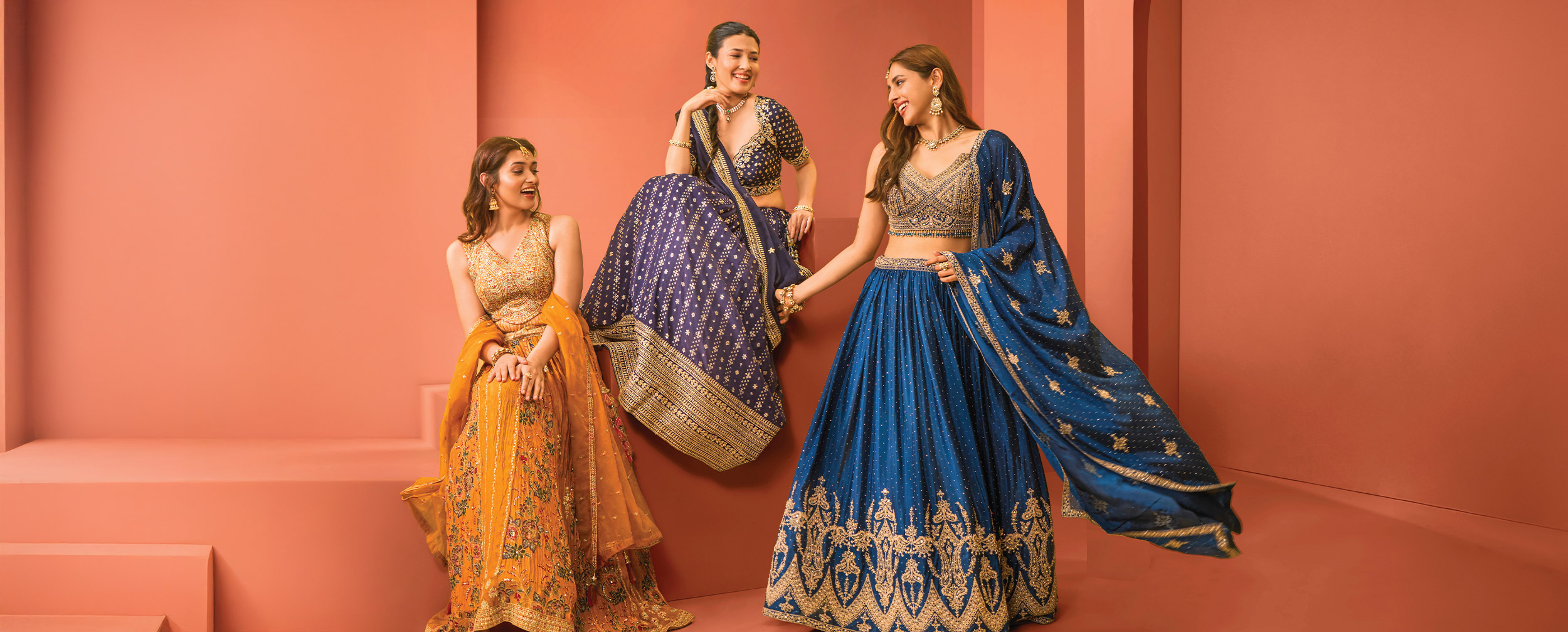
The lehenga is the ultimate showstopper. It is regal, glamorous, and perfect for making a grand entrance. When choosing a lehenga, consider the scale of the embroidery and the volume of the skirt. A heavily embroidered, voluminous lehenga is ideal for a reception, while a lighter, flowery lehenga might be better suited for a sangeet. Anarkali suits are another fantastic option, offering the grandeur of a lehenga with the ease of a suit. They are flattering on all body types and come in various lengths and styles. A floor-length Anarkali can be just as glamorous as a lehenga, while a shorter one is great for a more casual event.
For those who prefer a more contemporary look, Indo-western outfits are a brilliant choice. Think gowns with Indian embroidery, dhoti pants with a designer kurta, or a crop top with a lehenga skirt. These outfits blend the best of both worlds, offering a modern and stylish twist on traditional wear. They are perfect for the fashion-forward guest who wants to make a unique statement.
Men’s fashion for weddings has also evolved dramatically, offering a plethora of choices beyond the basic kurta pyjama. The sherwani is the pinnacle of traditional men’s wedding wear. It is long, elegant, and often heavily embroidered, making it perfect for the groom or a close relative. For guests, a well-tailored kurta pyjama or churidar is a classic and safe choice. However, don’t be afraid to experiment with different styles. A bandhgala jacket, also known as a Nehru jacket, paired with trousers is a sharp and sophisticated option for a reception. It offers a structured, formal look that is both traditional and modern.
Indo-western fusion is also a great trend for men. Consider pairing a long kurta with tailored pants instead of the traditional pyjama, or wearing a jacket over your kurta for a layered look. The key for men is fit and fabric. A well-fitted outfit in a good quality fabric makes all the difference. Avoid overly tight or loose clothing; aim for a silhouette that is comfortable and flattering.
Accessories are the finishing touches that can elevate your outfit from good to unforgettable. For women, jewelry is paramount. The rule of thumb is to let your jewelry complement your outfit, not compete with it. If your outfit is heavily embroidered, opt for statement earrings (jhumkas or chandbalis) and a simple necklace or vice versa. Matha pattis and maang tikkas can add a regal touch to your look for a wedding ceremony. Don’t forget your clutch or potli bag—choose one that matches your outfit and is just large enough to hold your essentials. Footwear is another crucial consideration. You’ll be on your feet for hours, so comfort is key. Embellished sandals or juttis are a great choice, but if you opt for heels, make sure they are comfortable and you can walk in them confidently.
For men, accessories are simpler but equally important. A classic watch, a pocket square, and traditional mojaris or juttis can add a polished finish to your look. If you’re wearing a sherwani or a bandhgala, a safa (turban) can add a majestic touch. The key is to keep it elegant and not overdo it.
Finally, let’s talk about practical tips. Always check the wedding invitation for a dress code. Some couples specify a color theme or a level of formality. When in doubt, it’s better to be slightly overdressed than underdressed. Plan your outfit well in advance to avoid last-minute stress. Get your clothes tailored if necessary; a perfect fit is non-negotiable. Most importantly, wear your outfit with confidence. Your comfort and confidence will shine through and make you look your best.
Being a wedding guest is about celebrating love and community. Your outfit is a part of that celebration. By choosing something that is respectful, appropriate, and true to your personal style, you’ll not only look great but also feel great, allowing you to fully enjoy the festivities and create beautiful memories.
This guide is just the beginning. At Kapradekho.com, we understand the importance of finding the perfect wedding guest outfit. That’s why we’ve curated a extensive collection of exquisite attire for every type of wedding function. From traditional sarees and lehengas to contemporary Indo-western ensembles and sharp sherwanis, we have something for everyone. Our focus is on quality, craftsmanship, and style, ensuring that you look and feel your best on your loved one’s special day. We invite you to explore our collection and find the perfect outfit that tells your story.