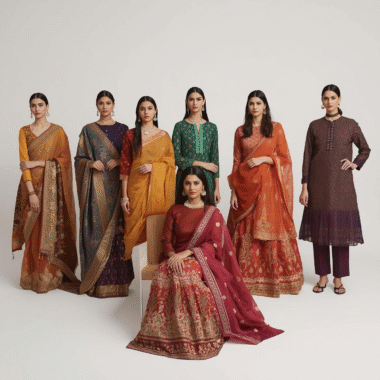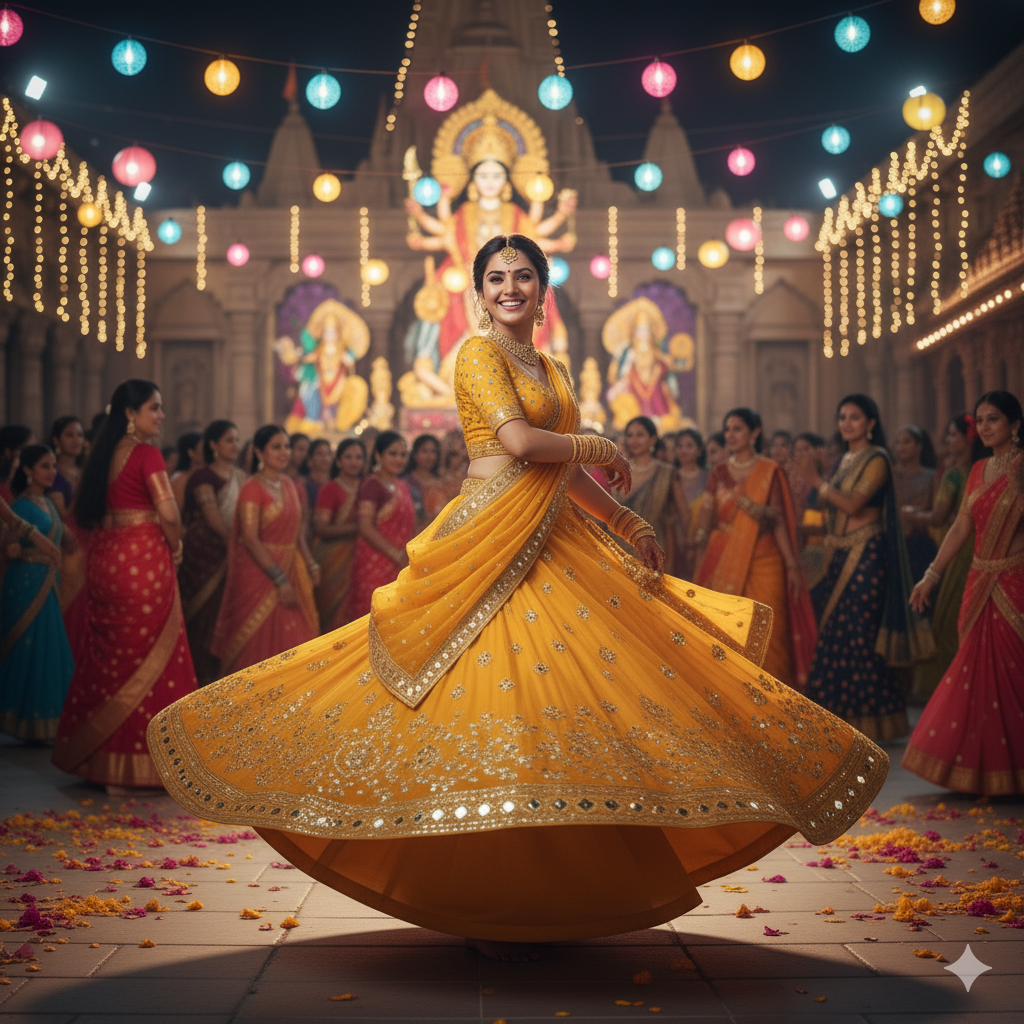
Navratri is more than just a festival; it’s a vibrant tapestry of faith, dance, culture, and colour. For nine nights, devotees across India and the world immerse themselves in the worship of the nine divine forms of Goddess Durga. A beautiful and visually striking tradition that has gained immense popularity is following a specific colour code for each day of Navratri.
But why these colours? What is the significance behind each hue? And how can you incorporate them into your wardrobe to look stunning while honouring the divine feminine? This ultimate guide will answer all your questions, offering a deep dive into the Navratri dress colours for all nine days, complete with styling tips, cultural context, and the profound meaning behind each shade.
Understanding the Significance: Why Do We Wear Specific Colours During Navratri?
Before we jump into the day-by-day guide, let’s understand the “why.” The practice of wearing specific colours during Navratri is deeply symbolic and rooted in Indian spiritual philosophy.
- Channeling Divine Energy: Each form of Goddess Durga embodies a specific energy or power (Shakti). The colour assigned to each day is believed to resonate with the frequency of that particular Goddess. By adorning ourselves in that colour, we align our energy with Hers, inviting her blessings and virtues into our lives.
- A Collective Celebration: The colour code creates a sense of unity and collective celebration. When everyone in a Garba or Dandiya Raas venue dresses in shades of, say, royal blue on Day 5, it creates a powerful, synchronized visual spectacle that enhances the festive spirit.
- A Narrative in Colour: The sequence of colours often subtly narrates the story of the festival. It begins with the vibrancy of new beginnings, moves through the power and tranquillity of the battle against evil, and culminates in the wisdom and peace of victory.
It’s important to note that while there is a widely accepted colour palette, you might find slight regional variations. The colours suggested by various religious and cultural authorities are the most commonly followed. Let’s embark on this colourful journey.
Day 1: Pratipada – The Radiance of Royal Blue
The first day of Navratri is dedicated to Goddess Shailaputri, the daughter of the mountains (Himalayas). She is the embodiment of the combined powers of Brahma, Vishnu, and Shiva. As the festival commences, we invoke her pure and powerful energy.
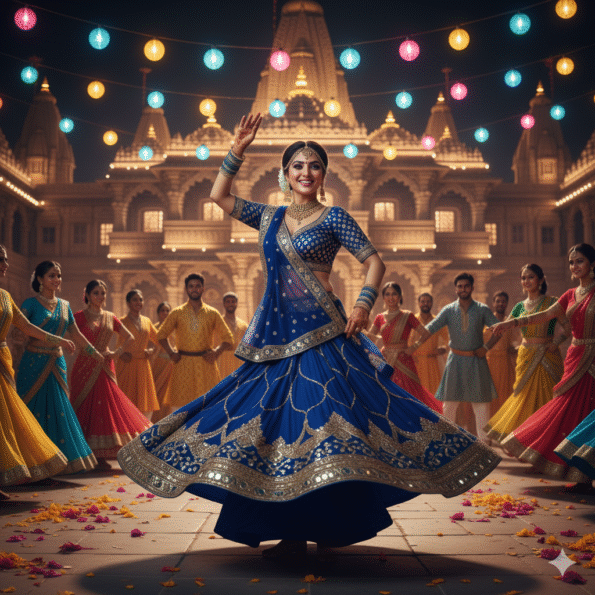
Royal Blue is a colour of depth, stability, and grandeur. It symbolizes the vast, majestic sky and the deep, serene ocean. On a spiritual level, it represents trust, loyalty, wisdom, and confidence. Wearing royal blue on the first day sets a tone of calm strength and divine connection as we begin this sacred journey.
Styling Your Royal Blue Ensemble:
- For Women: A royal blue saree is a timeless and elegant choice. Look for ones with silver zari work or embroidered borders. If you’re dancing the night away, a royal blue lehenga-choli or a flowing Anarkali suit will offer both style and comfort. Find the perfect royal blue ensemble at unbeatable prices on KapraDekho.com. Check out their exclusive Navratri collection today! Accessorize with silver jewellery—chandelier earrings, a statement necklace, and silver bangles. A bindi in a contrasting colour like red or white will complete the look.
- For Men: A royal blue kurta-pyjama is a classic and sophisticated option. You can choose a simple cotton kurta for a casual look or a silk one with minimal embroidery for a more formal event. Pair it with a contrasting stole or a dupatta in white or silver. Mojris or kolhapuris in brown or black will ground the outfit perfectly.
The Goddess: Shailaputri
Remember, you are honouring the daughter of the mountains. Your attire should reflect her grounded yet majestic nature. Think elegance and strength.
Day 2: Dwitiya – The Sunshine of Yellow
The second day is for worshipping Goddess Brahmacharini, who represents penance, austerity, and devotion. She is depicted as walking barefoot, holding a japamala (rosary) and a kamandalu (water pot), symbolizing her unwavering pursuit of enlightenment.
The Colour: Yellow
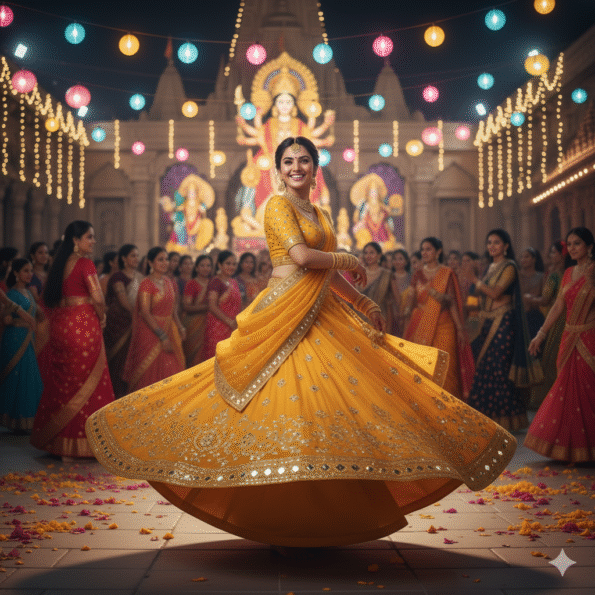
Yellow is the colour of happiness, optimism, and new beginnings. It is the colour of the sun—the ultimate source of light and energy. This bright hue perfectly captures the spirit of purity and bliss that Goddess Brahmacharini radiates. After the depth of royal blue, yellow brings in a wave of fresh, positive energy.
Styling Your Yellow Ensemble:
- For Women: Yellow is a versatile colour. A bright sunflower yellow lehenga can make you the centre of attention. A pastel yellow saree with golden embroidery exudes grace. For a modern twist, a yellow palazzo suit or a sharara set works wonderfully. Gold jewellery is the natural companion for yellow. Think elaborate kundan or polki sets to enhance the royal feel. Don’t forget to add a splash of colour with bangles in green or orange.
- For Men: A yellow kurta can look incredibly sharp. Choose a shade that complements your skin tone—mustard yellow for a deeper look or a lemon yellow for a brighter one. Pair it with white churidars or dhoti pants. A beige or brown Nehru jacket can add a layer of sophistication. Finish with traditional footwear and perhaps a saffron-striped angavastram.
The Goddess: Brahmacharini
Your outfit should reflect serenity and the simple joy of devotion. Yellow helps channel this positive, uplifting energy.
Day 3: Tritiya – The Power of Red
On the third day, we pray to Goddess Chandraghanta, the married form of Parvati. She adorns a half-moon (Chandra) shaped like a bell (Ghanta) on her forehead. She is the symbol of bravery and peace, and her worship is believed to ward off all evils.
The Colour: Red
Red is a powerhouse of emotions. It symbolizes passion, power, ferocity, and, most importantly, marriage and fertility in Indian culture. It is the colour of the rising sun and of sacred vermillion (sindoor). Wearing red on this day honours the marital status of the Goddess and invokes her protective and courageous energy.
Styling Your Red Ensemble:
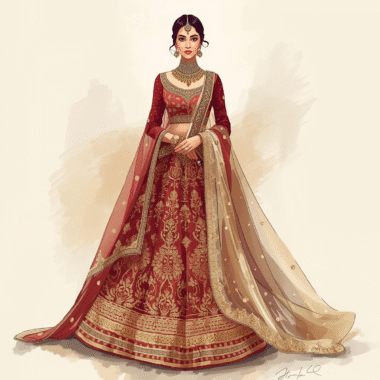
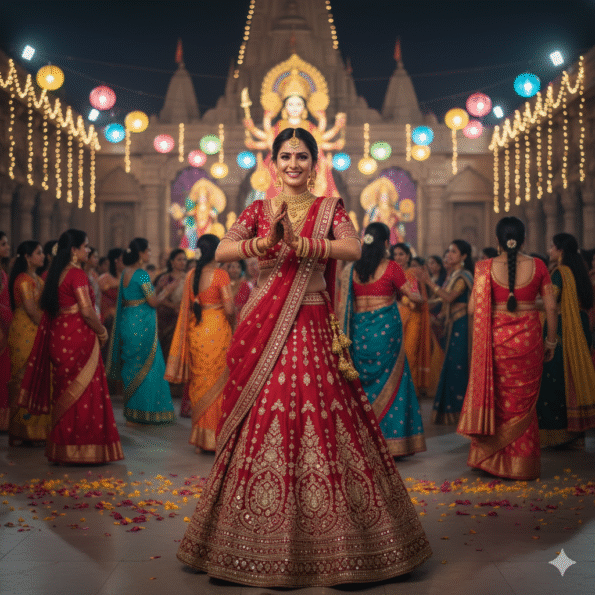
- For Women: Go bold with a red outfit. A heavily embroidered red lehenga is a quintessential Navratri choice. A Banarasi silk saree in red and gold is pure elegance. If you prefer something lighter, a red georgette or chiffon saree with a golden blouse is perfect. Gold jewellery is a must. Maang tikkas, haathphool (hand harness), and nath (nose ring) will elevate the traditional look. A bold red bindi is the cherry on top.
- For Men: A deep maroon or a bright red Pathani suit or a sherwani can make a powerful statement. For a more understated look, a red silk kurta with black or white pyjamas is a great combination. A black waistcoat or jacket over a red kurta can create a striking contrast.
The Goddess: Chandraghanta
Embrace the boldness. Red is for strength and celebration. Let your attire reflect the courage and grandeur of the Goddess.
Day 4: Chaturthi – The Royalty of Green (and Blue)
The fourth day is dedicated to Goddess Kushmanda. It is believed that she created the universe with her divine smile, and she resides inside the Sun, radiating light and energy to the world. Her name translates to “the cosmic egg,” signifying the source of all energy.
The Colour: Green / Royal Blue
This is a day where you might see two colours. Traditionally, Green is associated with this day. Green symbolizes nature, growth, harmony, and fertility—perfect for the creator of the universe. It represents the lushness of life she bestowed upon the world. However, in recent years, Royal Blue has also been suggested by some sources. If you followed blue on Day 1, green is a beautiful alternative to continue the colour journey.
Styling Your Green Ensemble:
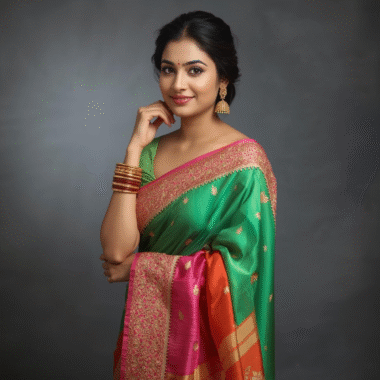
- For Women: Green offers a lot of variety. An emerald green lehenga with silver work is a showstopper. A moss green saree with golden borders is subtle yet stunning. For a unique look, consider an olive green Anarkali. Jewellery in gold or silver both work well with green. Pearl sets can also look incredibly elegant. Experiment with jhumkas and a statement passa (side headpiece).
- For Men: A green kurta is a refreshing choice. Shades like bottle green, olive, or emerald look very regal. Pair it with cream-coloured churidars or trousers. A golden brocade stole can add a touch of festivity.
The Goddess: Kushmanda
Green connects you to the creative, life-giving energy of the universe. Your outfit should feel fresh, vibrant, and full of life.
Day 5: Panchami – The Serenity of Grey
On the fifth day, we worship Goddess Skandamata, the mother of Lord Skanda (Kartikeya). She represents the gentle, nurturing aspect of motherhood. She is depicted riding a lion and holding her infant son, symbolizing that gentle love can tame even the fiercest forces.
The Colour: Grey
Grey is often misunderstood, but in this context, it is profoundly symbolic. It represents the balance between the passion of red and the purity of white. It symbolizes transformation, intelligence, and neutrality. As the mother of the warrior god, Goddess Skandamata embodies this balanced strength—fierce yet compassionate. Grey signifies this duality and the destruction of evil, leading to a new dawn.
Styling Your Grey Ensemble:
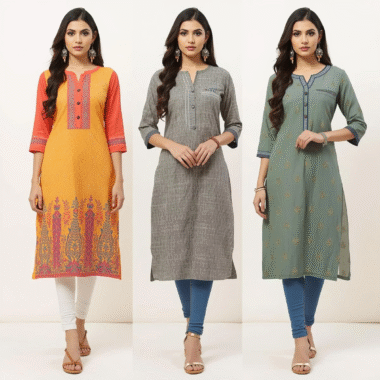
- For Women: Grey can be incredibly chic. A silver-grey lehenga with intricate thread embroidery can look ethereal. A charcoal grey saree with a contrasting red or pink blouse is a modern and stylish combination. A grey kurta set with palazzo pants is comfortable and trendy. Since grey is a neutral, you can go all out with your accessories. Oxidized silver jewellery, Kundan sets, or even statement costume jewellery in bright colours like fuchsia or turquoise can pop beautifully.
- For Men: A grey kurta is versatile and elegant. A light heather grey linen kurta is perfect for a relaxed look. A darker charcoal grey silk kurta is more formal. Pair it with white or black bottoms. A colourful dupatta or a stole in a bright colour like orange or yellow can break the monotony and add a festive touch.
The Goddess: Skandamata
Think balanced elegance. Grey is sophisticated and allows you to play with accessories. Channel the calm, nurturing strength of a mother.
Day 6: Shashthi – The Vibrancy of Orange
The sixth day is for Goddess Katyayani, the warrior goddess. She is a fierce form of Durga, born to the sage Katyayana to destroy the demon Mahishasura. She is courage, power, and victory incarnate.
The Colour: Orange
Orange is a dynamic and energetic colour. It is a blend of the energy of red and the happiness of yellow. It symbolizes courage, transformation, and warmth. There is no better colour to represent the fiery and determined spirit of Goddess Katyayani. It is the colour of a warrior’s spirit and the fire of determination.
Styling Your Orange Ensemble:
- For Women: An orange outfit is bound to turn heads. A bright orange lehenga with mirror work and bandhani prints is a traditional Gujarati/Rajasthani favourite. A saffron-hued saree made of silk or cotton can look divine. For a contemporary look, an orange jacket-style kurta with leggings is a great option. Gold jewellery complements orange perfectly. Heavy jhumkas, armlets (baajubandh), and a statement maang tikka will complete the warrior princess look.
- For Men: An orange kurta is a bold and festive choice. It looks excellent with white, cream, or beige pyjamas. You can also opt for a saffron-coloured Pathani suit. To tone down the brightness, you can wear a darker coloured waistcoat or jacket over it.
The Goddess: Katyayani
Go bright, go bold. Orange is for confidence and power. Let your attire reflect the fearlessness of the warrior goddess.
Day 7: Saptami – The Purity of White
The seventh day is dedicated to Goddess Kalaratri. This is the fiercest and most formidable form of Durga. She is dark-complexioned, dishevelled, and wears a garland of skulls. Her name means “The Night of Death,” and she is worshipped to destroy ignorance and darkness. Despite her fearsome appearance, she is also called “Shubhankari,” meaning the one who does good.
The Colour: White
White is the colour of purity, peace, innocence, and light. It might seem paradoxical to wear white for the most fearsome form, but the symbolism is deep. White represents the purity of her intention—to destroy evil. It symbolizes the light of knowledge that dispels the darkness of ignorance. Wearing white on this day is an act of seeking blessings to remove the inner darkness of fear, anger, and ego.
Styling Your White Ensemble:
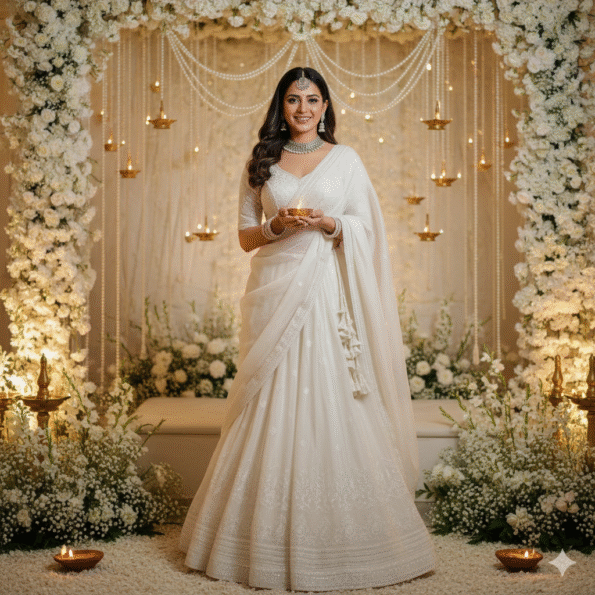
- For Women: A white outfit can look exceptionally graceful. A white chaniya choli with red and green embroidery is a classic. A white saree with a golden border (like a Bengali tant saree) is elegant and traditional. A white anarkali suit with silver gota patti work is another beautiful option. White is a blank canvas for accessories. You can wear silver, gold, or even colourful lac bangles and jewellery. A red bindi and dark kajal will create a stunning contrast.
- For Men: A white kurta-pyjama is the epitome of traditional Indian elegance. It is crisp, clean, and timeless. You can choose a khadi cotton kurta for a minimalist look or a silk one for a more festive feel. A coloured stole or a Nehru jacket in a dark colour like blue or maroon can add a layer of interest.
The Goddess: Kalaratri
Embrace the contrast. White represents the ultimate peace that comes after the destruction of evil. Your look should be pristine and powerful.
Day 8: Ashtami – The Passion of Pink (and Red)
The eighth day, also known as Maha Ashtami, is one of the most important days of Navratri. It is dedicated to Goddess Mahagauri. She is believed to have a radiant white complexion and symbolizes peace, compassion, and purity. She is the embodiment of beauty and grace.
The Colour: Pink / Red
Pink is the colour most commonly associated with this day. It symbolizes compassion, love, hope, and freshness. It is a gentler, more nurturing version of red, perfectly aligning with the gentle nature of Goddess Mahagauri. In some traditions, Red is also worn, continuing the theme of shakti (power) and celebration on this auspicious day.
Styling Your Pink Ensemble:
- For Women: Pink is a very flattering colour. A rose pink lehenga with silver embroidery is a dreamy choice. A fuchsia pink saree can make a bold statement, while a pastel pink outfit exudes softness. Pearl jewellery looks exquisite with pink. You can also opt for silver or kundan sets. A gajra (string of flowers) in your hair will add a traditional and fragrant touch.
- For Men: A pink kurta can look very stylish and modern. Choose shades like rose pink, dusky pink, or salmon. Pair it with white, grey, or navy blue bottoms. A contrasting stole or a handkerchief in a deeper shade can tie the look together.
The Goddess: Mahagauri
Think grace and beauty. Pink allows you to create a look that is both festive and gentle, reflecting the serene nature of the Goddess.
Day 9: Navami – The Wisdom of Purple (and Peacock Green)
The ninth and final day is dedicated to Goddess Siddhidatri. She is the granter of all supernatural powers (siddhis). She is seated on a lotus and is surrounded by gods and sages whom she blesses. She represents the culmination of the Navratri journey—the achievement of spiritual perfection and wisdom.
The Colour: Purple / Peacock Green
Purple is the colour of royalty, luxury, wisdom, and spirituality. It is associated with ambition, power, and independence. Wearing purple on the last day signifies the attainment of the highest knowledge and divine blessings. Peacock Green is another beautiful colour suggested for this day, representing the uniqueness, beauty, and wisdom of the peacock, a bird associated with Goddess Saraswati (and by extension, knowledge).
Styling Your Purple Ensemble:
- For Women: A purple outfit can look majestic. A lavender lehenga for a soft look or a deep violet anarkali for a regal one. A purple and gold Banarasi saree is a perfect choice for the concluding day. Jewellery with amethyst stones or kundan sets in gold will complement the royal vibe.
- For Men: A purple kurta is a distinctive and elegant choice. Shades like lavender, plum, or aubergine all work well. Pair it with churidars or trousers in neutral colours. A golden or silver brocade jacket can elevate the outfit for the final celebrations.
The Goddess: Siddhidatri
Go regal. Purple is the colour of achievement and spiritual mastery. Your attire should reflect the grandeur and wisdom of the final form of the Goddess.
Beyond the Nine Days: The Triumph of Orange on Vijayadashami
The tenth day, Vijayadashami or Dussehra, marks the victory of good over evil. It is the day Lord Rama defeated Ravana. While not part of the nine-night worship, it is the grand finale.
The Colour: Orange / Red
These colours symbolize victory, celebration, and the triumph of light over darkness. After the spiritual journey of Navratri, Vijayadashami is a day of joyous celebration.
Styling Tips for a Flawless Navratri Look
- Comfort is Key: You’ll likely be dancing for hours. Choose fabrics that breathe, like cotton, georgette, chiffon, or silk-cotton blends. Ensure your outfit allows for free movement.
- Footwear Matters: Ditch the heels for Garba! Opt for comfortable and secure options like Mojris, Juttis, or even ballet flats. Your feet will thank you later.
- Accessorize Smartly: While jewellery completes the look, avoid wearing your most precious heirlooms in a crowded venue. Beautiful and affordable costume jewellery can be just as effective.
- The Magic of Dupattas: A dupatta can transform a simple kurta. Learn different draping styles to keep it secure while dancing.
- Make-up that Lasts: Use a good primer and long-wear makeup. Waterproof mascara and eyeliner are essential. Bright lip colours can elevate your entire look.
- Hairstyles: Braids, buns, and ponytails are practical and beautiful. They keep your hair off your face and neck while you dance. Adorn them with gajras, hair accessories, or pretty clips.
Conclusion: Wear Your Colours with Pride and Meaning
The tradition of Navratri colours is a beautiful way to engage with the festival on a deeper level. It’s a visual prayer, a collective expression of joy, and a way to internalize the divine qualities of the Goddess. Whether you follow the colour code strictly or take inspiration from it, the essence lies in participating with a heart full of devotion and joy.
This Navratri, embrace the colours, understand their stories, and let your attire be a reflection of the divine energy you are celebrating. Happy Navratri! May the Goddess bless you with strength, prosperity, and happiness.