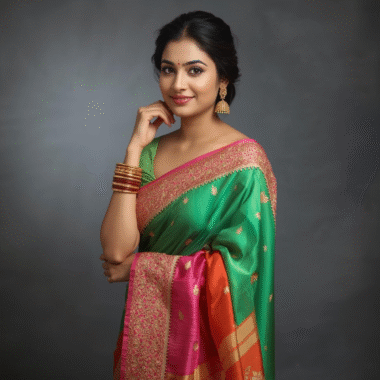
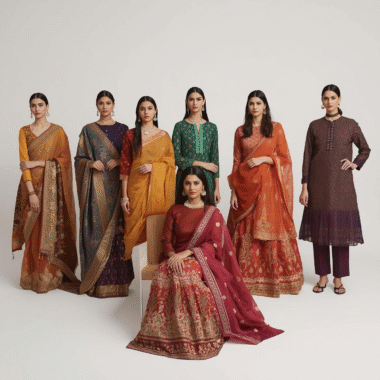
1. Introduction: Why Start Designing and Stitching Your Own Clothes
Designing and stitching your own clothes at home is one of the most empowering and creative hobbies you can take up. Not only does it save money, but it also allows you to express your personality through unique, handmade outfits. Whether you dream of crafting a summer dress, a festive kurta, or a comfy pair of pants — this guide will help you turn that dream into reality.

2. Step 1: Gather Your Essential Sewing Tools and Materials
Before you start stitching, you need to set up your sewing toolkit. Here are the must-have items every beginner should own:
- Sewing machine (a basic model is enough to start)
- Fabric scissors for clean, precise cuts
- Measuring tape for accurate sizing
- Tailor’s chalk or fabric marker
- Pins, needles, and threads in various colors
- Iron and ironing board for finishing touches
A well-organized sewing space will make the process smooth and enjoyable.

3. Step 2: Learn the Basics of Clothing Design
Understanding design principles is key to creating clothes that fit beautifully and express your style. Start with these basics:
- Silhouette: Choose the shape that flatters your body type.
- Fabric Type: Cotton, linen, and silk are beginner-friendly.
- Color Coordination: Experiment with tones and prints that suit your personality.
- Design Inspiration: Follow Pinterest boards, fashion magazines, or YouTube tutorials.
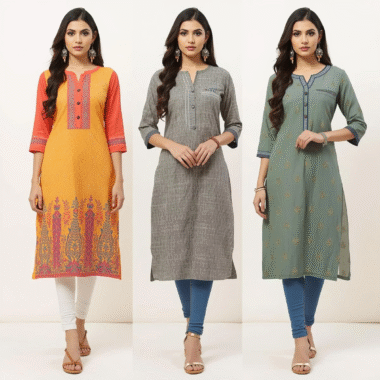
Tip: Start with simple designs like skirts, tops, or straight-cut kurtas before moving to complex patterns.
4. Step 3: Take Accurate Body Measurements
This step ensures your clothes fit perfectly. Use a flexible measuring tape and note down key measurements:
- Bust / Chest
- Waist
- Hips
- Shoulder width
- Sleeve length
- Total garment length
It’s best to have a friend help you for precision. Once you master this, you’ll notice how much better your handmade clothes fit compared to store-bought ones!
5. Step 4: Create or Choose a Sewing Pattern
A pattern is your blueprint for stitching. You can:
- Download free printable patterns from online sewing communities.
- Trace your existing clothes onto paper to replicate favorite styles.
- Draft your own pattern using body measurements.
If you’re new, start with ready-made patterns that include step-by-step guides. This saves time and builds confidence.
6. Step 5: Cut and Prepare Your Fabric
Lay your chosen fabric flat on a large table, smooth out wrinkles, and pin your pattern securely. Then:
- Trace the outlines with tailor’s chalk.
- Cut carefully along the lines.
- Leave about 1 inch seam allowance for stitching.
Remember to wash and iron your fabric before cutting to prevent shrinkage later.
7. Step 6: Stitch Your Clothes Like a Pro
Now the fun part begins! Follow these steps:
- Thread your sewing machine and test it on scrap fabric.
- Sew along your pattern’s seams slowly and steadily.
- Backstitch at the beginning and end of each seam to secure stitches.
- Press seams open with an iron for a professional look.
With practice, your stitches will become cleaner and more even. You’ll soon develop your own sewing rhythm!
8. Step 7: Add Finishing Touches and Personal Style
This is where your creativity shines. Add:
- Buttons, zippers, or hooks for closure
- Lace, embroidery, or appliqué for decoration
- Pockets or pleats for functionality
- Labels or tags to personalize your creations
Don’t be afraid to experiment — each project helps you learn and refine your craft.
9. Common Mistakes Beginners Should Avoid
- Skipping fabric prewash
- Ignoring seam allowances
- Rushing measurements
- Not changing dull sewing machine needles
- Forgetting to iron during the process
Patience is the key to perfection. Every mistake is a step closer to mastery!
10. Benefits of Designing and Stitching Your Own Clothes at Home
- Customization: Create clothes that fit your exact body shape.
- Sustainability: Reduce waste and embrace eco-friendly fashion.
- Savings: Cut down on expensive boutique purchases.
- Creativity Boost: Express yourself through colors, cuts, and textures.
- Emotional Satisfaction: Nothing beats wearing something you made with love.
11. Final Tips for Success
- Practice on old fabric before using expensive material.
- Keep a sewing journal to track projects and progress.
- Join online sewing forums for advice and support.
- Watch tutorials to refine your skills.
- Always finish with a good press — it makes all the difference!
12. Conclusion: Start Creating Your Dream Wardrobe
Now that you’ve mastered the beginner’s guide to designing and stitching your own clothes at home, it’s time to unleash your creativity! Start small, stay consistent, and soon, you’ll be wearing custom-made pieces that turn heads and tell your story.
✨ Ready to begin your DIY fashion journey? Gather your tools, choose your fabric, and start stitching today — your dream wardrobe awaits!