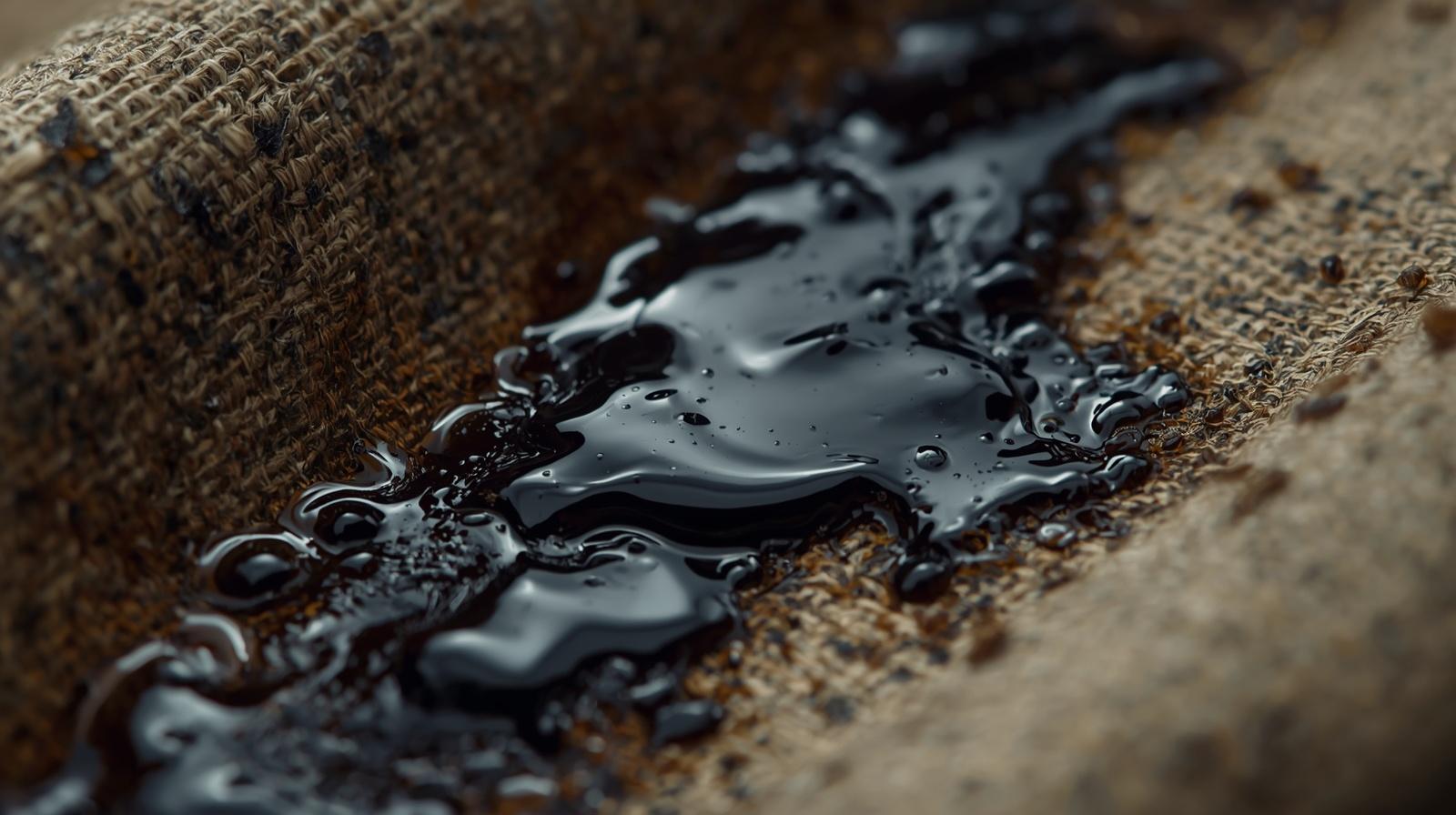
Oil stains are arguably the most frustrating stains to tackle. Whether it’s a splash of extra virgin olive oil while cooking, a drip of greasy bike chain lube, or a smear of salad dressing, that tell-tale dark ring on your favorite shirt can feel like a disaster.
But don’t toss that garment just yet! While oil and water don’t mix, oil and other household products do. The key to success is speed and the right technique. Here is your complete guide to banishing oil stains for good.
Why Are Oil Stains So Stubborn?
Unlike water-based stains (like coffee or wine) which dissolve in water, oil is hydrophobic. It repels water. When you try to rinse an oil stain with water alone, you’re essentially just getting the fabric wet while the oil sits stubbornly on top. Furthermore, oil quickly oxidizes and bonds with fabric fibers, especially if heat is applied (like in a dryer), making it nearly permanent.
The Golden Rule: Act Fast, But Don’t Use Hot Water!
- Do: Blot (don’t rub!) the stain immediately with a paper towel to soak up as much excess oil as possible.
- Don’t: Use hot water. Heat can set the stain further into the fabric. Always start with cold or lukewarm water.
- Don’t: Throw the item in the dryer until you are 100% sure the stain is gone. The heat of the dryer will permanently set any remaining oil.
Method 1: The Heavy-Duty Degreaser (Dish Soap)
This is the most common and effective method for fresh to moderate stains. The surfactants in dish soap are designed to break down grease on dishes, and they work just as well on fabric.
Best for: Cooking oils, butter, mayonnaise, salad dressings.
What you’ll need: A high-quality, grease-fighting dish soap (like Dawn or Fairy).
Instructions:
- Blot Excess: If the stain is fresh, blot away any standing oil with a paper towel.
- Apply Soap: Squirt a small amount of dish soap directly onto the stain.
- Gently Work It In: Using your fingers or a soft-bristled toothbrush, gently work the soap into the stain. You should see it start to break down and change consistency.
- Let It Sit: Allow the soap to sit on the stain for at least 5-10 minutes. For tougher, set-in stains, let it sit for up to an hour.
- Rinse with Cold Water: Rinse the area from the back of the fabric. This pushes the oil out rather than further in.
- Launder as Usual: Wash the garment in the hottest water the fabric can safely handle (check the care label).
Method 2: The Invisible Powder (Baking Soda or Cornstarch)
If the stain is on a delicate fabric or if it’s a large, greasy spot, you can use an absorbent powder to pull the oil out before washing.
Best for: Delicate fabrics, large stains, or older stains you want to pre-treat.
What you’ll need: Baking soda or cornstarch.
Instructions:
- Apply Powder: Generously cover the entire stain with baking soda or cornstarch.
- Press Gently: Lightly press the powder into the stain with your fingers or the back of a spoon.
- Wait: Let it sit for at least 30 minutes to overnight. The powder will absorb the oil, clumping up as it does.
- Brush Off: Brush the powder away. You should see a noticeable reduction in the stain.
- Pre-treat & Wash: Follow up with the dish soap method (Method 1) or a pre-treater, then launder as usual.
Method 3: The Stain-Lifting Hero (WD-40)
It sounds counterintuitive to spray more oil on a stain, but WD-40 is a solvent that helps break down the sticky bonds of set-in grease. This is a trick professional cleaners often use.
Best for: Set-in, stubborn oil stains, especially on tougher fabrics.
What you’ll need: WD-40, dish soap.
Instructions:
- Spray WD-40: Place a paper towel under the stain (to catch the runoff) and spray the stain directly with WD-40 until it’s saturated.
- Let It Penetrate: Allow it to sit for 10-15 minutes. It will start to dissolve the old oil.
- Apply Dish Soap: Squirt a generous amount of grease-fighting dish soap over the WD-40. Work it in.
- Rinse with Hot Water: Rinse the area with hot water (this is one exception where heat helps the solvents work).
- Launder: Wash immediately in the hottest water recommended for the fabric.
Method 4: The Chalkboard Trick (Chalk)
Yes, simple blackboard chalk is excellent at absorbing fresh oil because it’s made of calcium carbonate, a highly absorbent substance.
Best for: Fresh, small stains on the go.
What you’ll need: Plain white chalk (not the dusty “dustless” kind).
Instructions:
- Rub it In: Vigorously rub the white chalk over the fresh oil stain, covering it completely.
- Let it Sit: Allow the chalk to sit on the fabric for 5-10 minutes. It will absorb the oil.
- Brush Off: Brush or shake off the chalk dust.
- Launder: Wash as usual.
Special Cases: Different Fabrics, Different Rules
- Silk and Delicates: Oil stains on silk are tricky. Avoid harsh dish soaps. Instead, use a gentle, solvent-based cleaner or a tiny amount of baby powder/cornstarch to absorb the oil. When in doubt, take it to a professional dry cleaner and point out the stain.
- Leather and Suede: Do not use water or soap on suede. Use a专门的 suede brush or a clean eraser to lift the stain. For smooth leather, a leather cleaner and conditioner is your best bet.
- Polyester and Synthetics: These fabrics are oil magnets! They respond very well to the dish soap method. Just be sure to use cold water initially to prevent the oil from spreading.
The Final Step: The “Smell Test” Before Drying
Before you throw that “clean” shirt in the dryer, do this: Hold the area where the stain was up to the light. Can you still see a faint ring? If you can’t see it, do the “smell test.” If you can still smell the oil (like olive oil or grease), the stain is still there.
If you put it in the dryer with any oil residue remaining, the heat will bake it in, and it will be 10 times harder to remove. If in doubt, air dry the garment first. If the stain reappears, repeat your chosen treatment method.
With a little patience and the right product, you can rescue your clothes from even the greasiest kitchen mishaps.