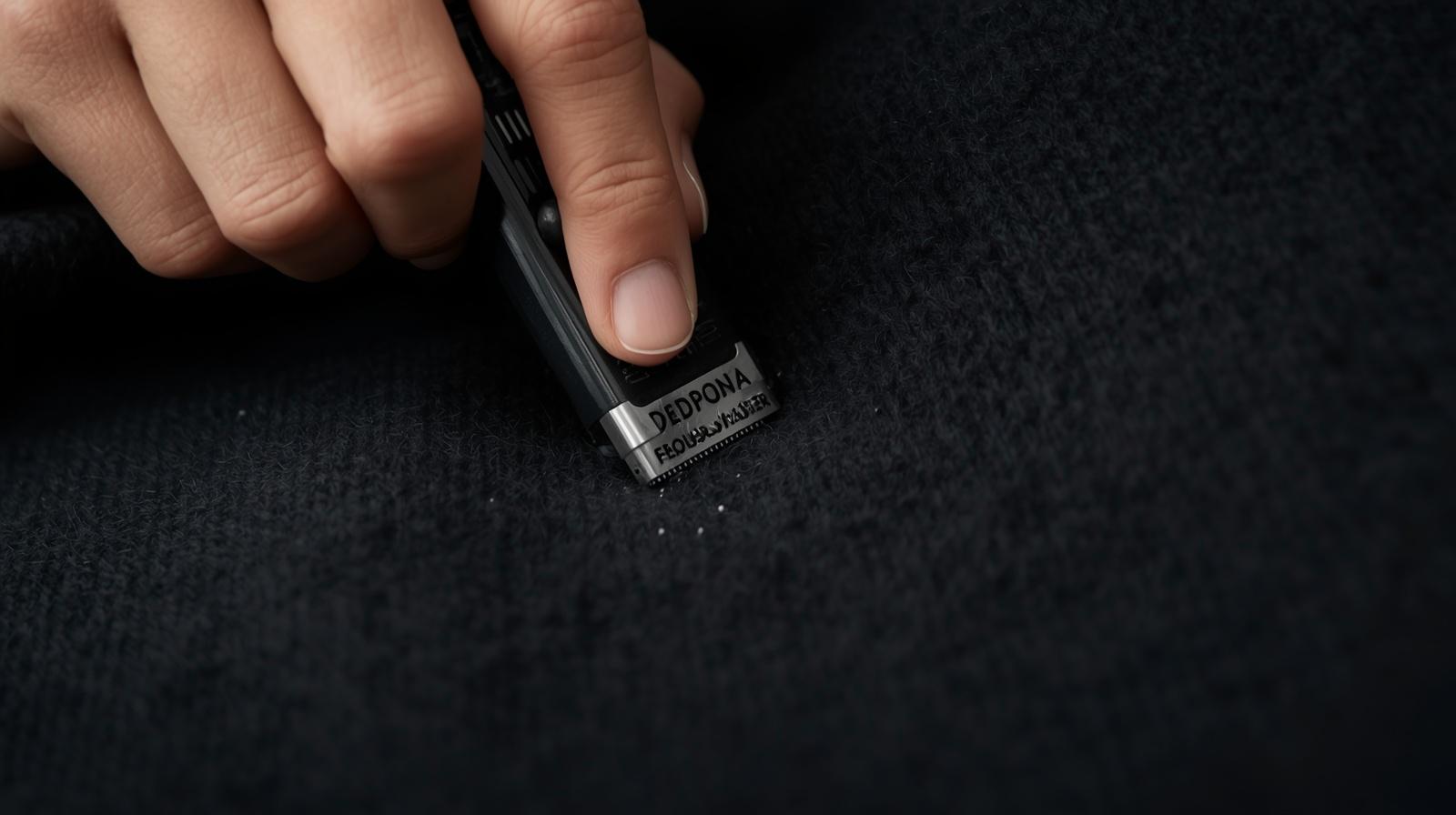
There’s nothing quite like the disappointment of pulling your favorite cozy sweater or soft pair of leggings out of the wash, only to find them covered in tiny, unsightly balls of fuzz. This common textile nuisance is called pilling, and while it can make fabric look old and worn out, it doesn’t have to be the end of the garment’s life.
The good news? Removing pilling is incredibly easy, satisfying, and inexpensive. Here is your ultimate guide to understanding why pilling happens and the best methods to banish those fuzz balls for good.
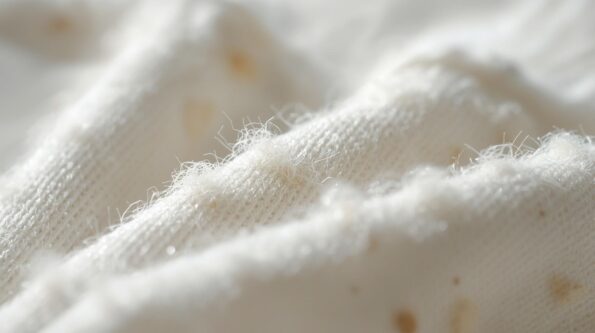
What Exactly is Pilling?
Before we fix it, let’s understand it. Pilling occurs when short or loose fibers on the surface of a fabric rub together during wear or washing. This friction causes the fibers to tangle into tiny balls or pills. These pills are held to the garment by stronger, longer fibers, which is why they don’t just fall off on their own.
Common culprits of pilling include:
- Fabrics: Knits, wool, cashmere, polyester, fleece, and blended fabrics.
- Friction: Areas that rub together, like under the arms, between thighs, or where a backpack strap sits.
- Washing: Overloading the washing machine or washing with abrasive items like jeans and towels.
Method 1: The Fabric Shaver (The Gold Standard)
For large areas of pilling or frequent maintenance, a fabric shaver (also called a lint shaver or defuzzer) is the best tool for the job.
How to use it:
- Prep the Garment: Lay the item flat on a table or bed. Ensure the fabric is smooth and not bunched up.
- Stretch Slightly: Gently pull the fabric taut with one hand. This lifts the pills so the shaver can catch them without cutting the fabric itself.
- Glide Gently: Turn on the shaver and use a light, circular motion over the pilled areas. Don’t press down hard; let the rotating blades do the work.
- Empty the Reservoir: Most shavers have a collection bin for the fuzz. Empty it as you go to maintain suction and efficiency.
- Final Check: Once finished, you can use a lint roller to pick up any loose bits.
Best for: Sweaters, wool coats, fleece jackets, and synthetic fabrics.
Method 2: The Disposable Razor (The DIY Hack)
If you don’t have a fabric shaver, a standard, fresh disposable razor works surprisingly well. The concept is similar, but it requires a gentler touch.
How to use it:
- Lay it Flat: Place the garment on a completely flat, hard surface.
- Stretch Tight: This is crucial. Use your non-dominant hand to pull the fabric taut.
- Shave Gently: Holding the razor at a slight angle, use short, light strokes in the same direction (like shaving your legs). The blade will catch the pills and lift them away.
- Proceed with Caution: Avoid pressing too hard or going over seams and delicate areas, as you could accidentally cut the fabric.
Best for: Pilling on knitwear and thicker fabrics.
Method 3: The Sweater Stone or Pumice Stone
This is a manual, non-electric method that uses a porous stone to gently abrade the pills away.
How to use it:
- Lay Flat: Place the garment on a flat surface.
- Light Strokes: Gently brush the stone across the fabric in one direction. The stone’s texture will snag the pills and pull them off.
- Brush Away Debris: After a few strokes, you’ll see the pills collect on the stone or fabric. Brush them away with your hand or a soft clothes brush.
- Don’t Rub Vigorously: Use a light, brushing motion rather than a hard scrub to avoid damaging the fabric.
Best for: Bulky knits, wool sweaters, and napped fabrics (like fleece).
Method 4: Scissors (For Precision Work)
For those times when you have just a few stubborn pills on an otherwise perfect garment, reach for a pair of small, sharp scissors.
How to use it:
- Identify: Find the individual pills.
- Stretch: Pull the fabric tight around the pill.
- Snip: Carefully snip the pill off at its base, being extremely careful not to cut the yarn of the garment itself.
Best for: Removing a small number of pills from delicate fabrics like cashmere or silk knits.
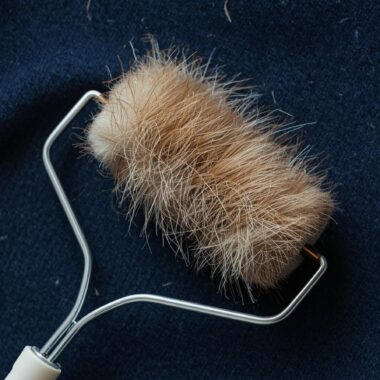
Method 5: Velcro or Lint Roller (The Quick Fix)
For very light, surface-level pilling that hasn’t become fully entangled, a piece of Velcro (the hook side) or a strong lint roller can sometimes do the trick.
How to use it:
- Velcro: Press a strip of the rough “hook” side of Velcro against the fabric and pull it away. The hooks will catch and pull off loose fibers.
- Lint Roller: For very minor pills, a super-sticky lint roller can sometimes pull them away from the surface.
Best for: Very light pilling or refreshing a garment between deeper cleanings.
Preventing Future Pilling
Once you’ve restored your clothes, here’s how to keep them looking smooth for longer:
- Wash Inside Out: This reduces friction on the outside of the garment during the wash cycle.
- Use a Garment Bag: Place delicate or prone-to-pilling items in a mesh laundry bag.
- Gentle Cycle & Cold Water: Use a gentle or delicate cycle with cold water to minimize agitation.
- Avoid Overloading the Machine: Clothes need room to move. Overcrowding increases friction.
- Air Dry: The heat and tumbling of a dryer cause significant friction. Lay pilling-prone items flat to dry instead.
- Turn Down the Heat: If you must use a dryer, use the lowest heat setting possible and remove items while they are still slightly damp.
Pilling is a natural part of a fabric’s life, but it doesn’t have to ruin your favorite pieces. With these simple tools and techniques, you can keep your wardrobe looking fresh, new, and fuzz-free for seasons to come.