Introduction: The Regal Legacy
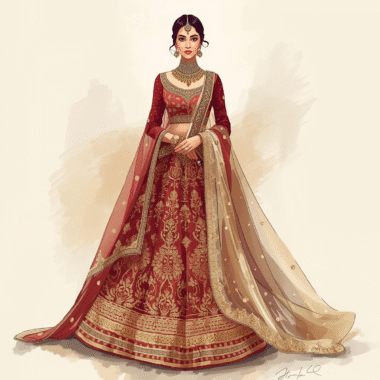
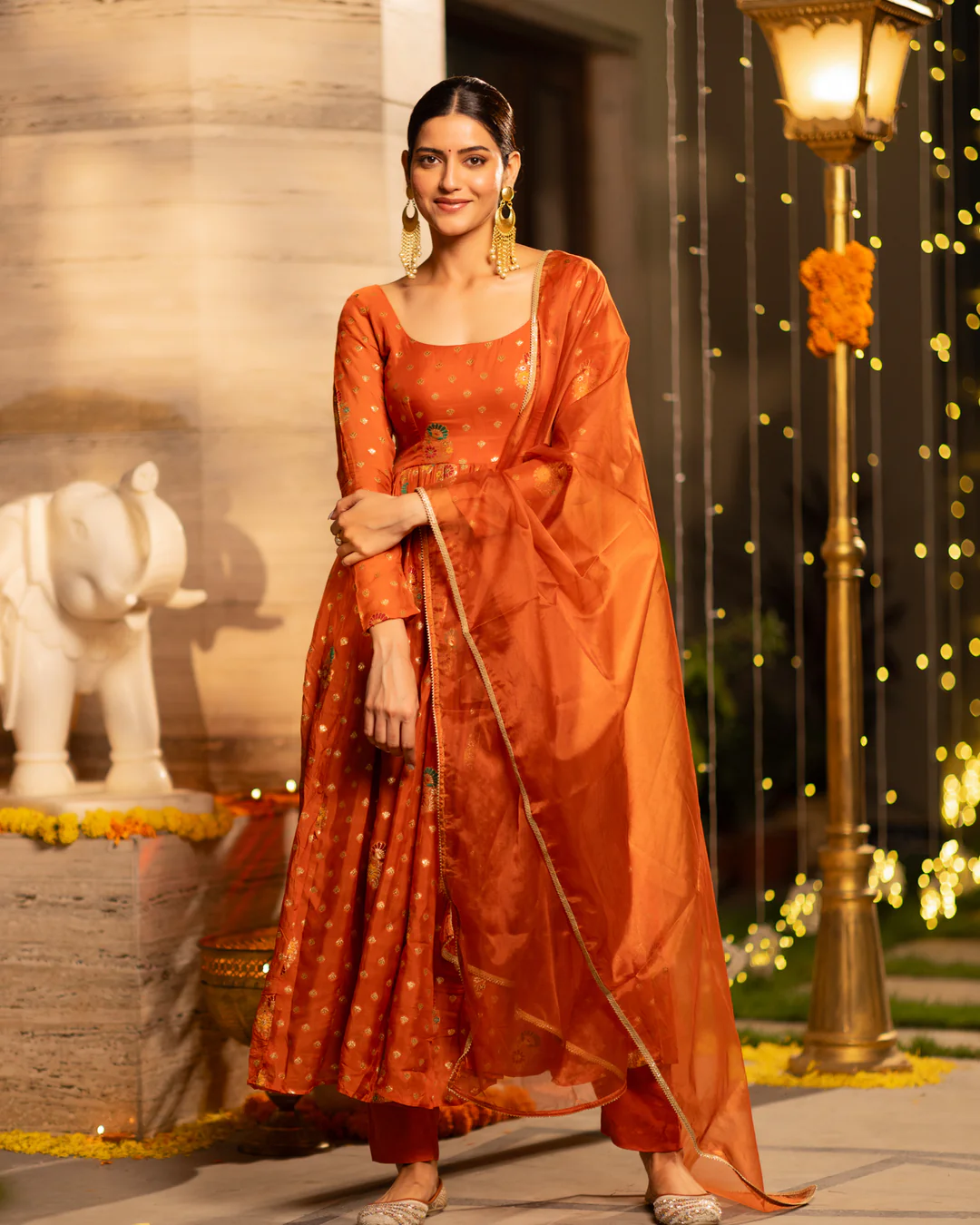
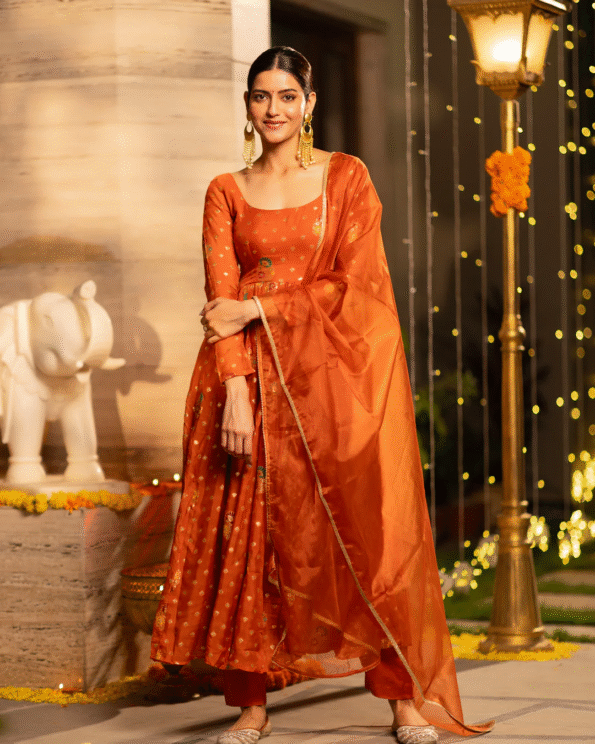
In the world of Indian ethnic wear, few garments carry the same aura of royalty, romance, and timeless grace as the Anarkali salwar kameez. Named after the legendary courtesan Anarkali from the Mughal era, this outfit is characterized by its long, flowing, and often voluminous kurta that falls straight down like a elegant gown, paired with fitted churidar pants.
More than just a dress, the Anarkali is a symbol of feminine power and elegance. It transcends fleeting trends, remaining a perennial favorite for weddings, festivals, and grand celebrations. Its magic lies in its versatility—it can flatter every body type, be adapted for any season, and styled to range from traditionally opulent to chicly contemporary. This ultimate guide will walk you through everything you need to know about this iconic outfit, from its rich history to choosing and styling your perfect Anarkali.
Part 1: A Walk Through History: The Anarkali’s Royal Roots
The name “Anarkali” translates to “blossom of the pomegranate tree,” and the legend behind it is as dramatic as the outfit itself. It is said that Anarkali was a beautiful dancer in the court of Emperor Akbar. Her romance with Prince Salim (who later became Emperor Jahangir) led to a tragic end, immortalizing her name in history and folklore.
While the historical accuracy of the tale is debated, the style of the outfit is deeply rooted in the fashion of the Mughal court. The flowing, floor-length gowns worn by dancers and nobility evolved over centuries into the modern Anarkali suit we know and love today. It represents a beautiful blend of Persian and Indian sartorial traditions, making it a garment steeped in cultural heritage.
Part 2: The Anatomy of an Anarkali Suit
Understanding the components of an Anarkali helps in appreciating its structure and choosing the right one.
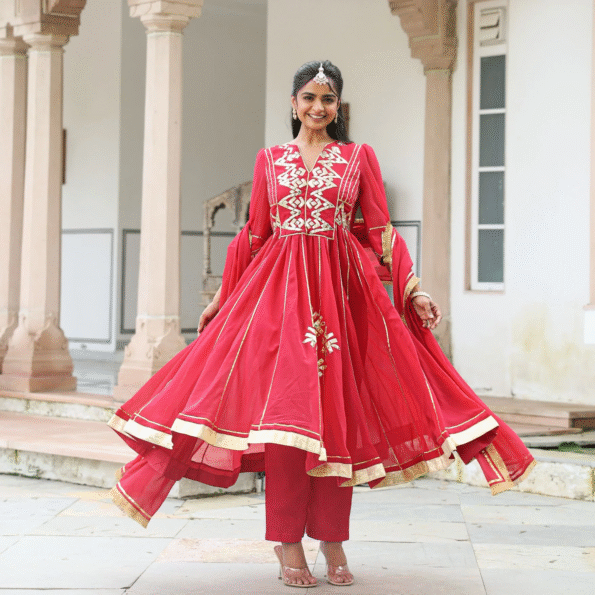
- Kameez (The Top): This is the centerpiece. It is a long, flowy tunic that can range from knee-length to floor-length. Its defining feature is its flared silhouette, which can begin from under the bust, from the waist, or from the hips.
- Salwar/Churidar (The Bottom): The voluminous top is always balanced with a fitted bottom. This is typically:
- Churidar: Fitted trousers that gather at the ankle (“churis” meaning bangles), creating a stacked effect. This is the most common and traditional pairing.
- Fitted Salwar: Slim-fit pants that are less gathered at the ankle than churidars.
- Leggings: In modern interpretations, simple leggings are also used for comfort.
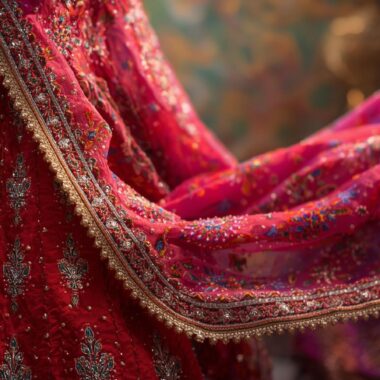
- Dupatta (The Scarf): An essential element that completes the ensemble. The dupatta for an Anarkali can be heavily embroidered, sheer, or printed, and is draped in various styles.
Part 3: Flattering Every Form: The Anarkali’s Universal Appeal
One of the greatest strengths of the Anarkali suit is its ability to flatter all body types.
- For Petite Frames: Opt for frock-style or jacket-style Anarkalis that are shorter in length (just below the knee) and have less volume. Avoid overwhelming your frame with too much fabric. Vertical stripes or patterns can also create an illusion of height.
- For Tall Figures: You can carry off floor-length and double-layer Anarkalis with magnificent ease. Experiment with bold prints and heavy embroideries that complement your height.
- For Apple Shapes: Empire waist Anarkalis are your best friend. The flare begins right under the bust, skimming over the midsection and creating a beautiful, flowing silhouette that conceals the waistline.
- For Pear Shapes: Look for Anarkalis where the flare starts from the hips. This draws attention upwards and balances your lower body. A detailed bodice or a statement neckline will further emphasize your upper half.
- For Hourglass Figures: Floor-length, fitted Anarkalis that cinch at the waist are perfect for showcasing your curves. Belted styles or those with a defined waistline will highlight your natural proportions beautifully.
Part 4: Exploring Styles: From Traditional to Contemporary
The Anarkali has beautifully evolved into numerous styles to suit every taste.
1. The Classic Floor-Length Anarkali
The most traditional and regal style, often seen in rich fabrics like silk, velvet, or net, adorned with intricate zari, zardozi, or stone work.
- Ideal For: Weddings, grand festivals, and formal receptions.
2. The Frock-Style Anarkali
A shorter version that ends at the knee or mid-calf. It’s playful, youthful, and easier to carry.
- Ideal For: Sangeets, parties, festive brunches, and casual gatherings.
3. The Jacket Style Anarkali
A modern innovation featuring a long, flared jacket worn over a straight kurta and leggings/churidar. It offers a layered, sophisticated look.
- Ideal For: Wedding functions, cocktail parties, and festive events.
4. The Empire Waist Anarkali
The flare begins just under the bust, creating a high-waisted, flowing effect that is incredibly graceful and forgiving.
- Ideal For: All body types, particularly for those seeking a comfortable yet elegant option.
5. The Straight Cut Anarkali
A more contemporary take, this style is less voluminous and falls straight down, often with side slits. It’s minimalist and chic.
- Ideal For: Pre-wedding functions, parties, and even formal corporate events in ethnic settings.
Part 5: Styling Your Anarkali: accessories, footwear, and drapes
The right styling elevates your Anarkali from beautiful to breathtaking.
- Jewelry: This is where you can go big.
- Traditional: Pair heavy kundan, polki, or jadau sets with a grand Anarkali. Statement necklaces, jhumkas (chandelier earrings), and maang tikkas are classic choices.
- Contemporary: For modern or lighter Anarkalis, opt for statement earrings alone or a sleek necklace with a pendant.
- Footwear:
- Heels are recommended to prevent the outfit from puddling on the floor and to add grace to your posture.
- Traditional: Embellished juttis or mojaris.
- Modern: Block heels, stilettos, or even embellished sandals.
- Bags: A embellished clutch or a potli bag is the perfect traditional accessory to complete your look.
- Dupatta Draping: How you drape your dupatta can change the entire look. Drape it over both shoulders for a formal look, or casually over one shoulder for a relaxed vibe. For heavily embroidered dupattas, let the work be the focus.
Part 6: The KapradeKho Promise: Heritage Meets Modern Craftsmanship
At KapradeKho.com, we celebrate the Anarkali suit in all its glory. We are passionate about bringing you pieces that honor traditional craftsmanship while embracing modern aesthetics.
- Curated Collection: From hand-embroidered masterpieces perfect for a bride’s family to simple, chic cotton Anarkalis for a daytime event, our collection is carefully selected for quality, design, and authenticity.
- Focus on Fabric: We source the finest materials—from luxurious silks and velvets for winter weddings to breathable cottons and linens for summer festivities.
- For Every Woman: We believe in inclusive elegance. Our range features styles and sizes designed to make every woman feel like royalty, capturing the true regal spirit of the Anarkali.
Conclusion: Wear Your Elegance
The Anarkali salwar kameez is more than an outfit; it’s an experience. It’s the feeling of the fabric flowing around you as you walk, the confidence that comes from wearing something deeply cultural and stunningly beautiful, and the connection to a history of elegance and artistry.
Whether you choose a heavily embellished masterpiece or a simple, contemporary cut, wearing an Anarkali is about embracing a legacy of grace and making it your own.
Discover Your Perfect Anarkali at KapradeKho
Step into a world of elegance and find the Anarkali suit that speaks to your soul.
Explore our exquisite collection of Anarkali salwar kameez at KapradeKho.com, where every outfit is a celebration of heritage, craftsmanship, and modern style.
Embrace Royalty. Shop the Collection.
Click Here to Browse Anarkali Suits