The digital revolution has transformed nearly every aspect of our lives, and perhaps one of the most tangible and welcomed changes is the way we shop. Gone are the days of navigating crowded markets, limited store hours, and the disappointment of not finding your size. The smartphone in your pocket has become a gateway to a global marketplace, a personal stylist, and a 24/7 shopping mall all rolled into one. Online shopping is no longer a novelty; for millions of Indians, it is the default, preferred method of purchasing everything from daily essentials to luxury goods.
But beyond the obvious convenience, what are the real, tangible benefits of choosing to click “Add to Cart” instead of walking into a store? How can you, as a consumer, maximize these advantages to save time, money, and effort while building a wardrobe you love? This guide delves deep into the multifaceted world of e-commerce, exploring the undeniable benefits of online shopping and providing you with the expert strategies to shop smarter, safer, and more successfully than ever before. Welcome to the new era of retail.
Let’s start with the most immediate and powerful benefit: unparalleled convenience. Imagine this: it’s a sweltering summer afternoon, or perhaps a rainy monsoon evening. The thought of battling traffic, finding parking, and weaving through crowded aisles is deeply unappealing. With online shopping, the store comes to you. Your shopping journey can begin from the comfort of your couch, during your lunch break at the office, or even while commuting. The store is always open, 24 hours a day, 7 days a week, 365 days a year. There are no closing times to rush to, no holidays to wait out. This freedom liberates you from the constraints of time and geography, making it possible to shop at your absolute convenience, not at the store’s.
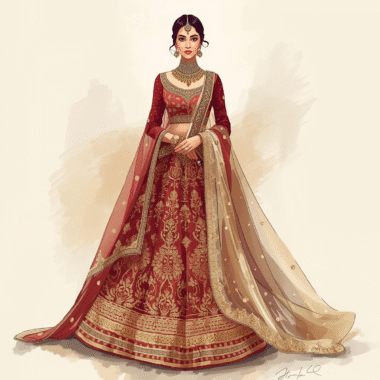
This convenience extends far beyond just timing. It encompasses the entire shopping experience. Online shopping is a haven of efficiency. You can find what you’re looking for in seconds using the search bar and sophisticated filters. Need a red lehena in size XL with silk fabric, priced between Rs. 5,000 and Rs. 10,000? A physical store would require you to manually scour countless racks, relying on a salesperson’s potentially limited knowledge of inventory. Online, a few clicks will instantly surface every item that matches your exact criteria. This eliminates the exhausting and often fruitless process of physical hunting, saving you immense physical and mental energy. Furthermore, the process of comparing prices and products is streamlined to perfection. You can open multiple tabs from different retailers, comparing designs, reading reviews, and evaluating prices side-by-side without taking a single step. This level of efficient comparison is simply impossible in the physical world.
Perhaps the most celebrated advantage of the digital marketplace is the breathtaking breadth of choice. A physical store is limited by its four walls. Its inventory is confined to what the store owner has chosen to stock, which is often dictated by mainstream trends and bestsellers. This can be incredibly limiting, especially if you have a unique sense of style, require a specific size outside the standard range, or are looking for something particular. Online shopping shatters these spatial limitations. You have access to a near-infinite inventory. You can discover unique, handcrafted jewellery from a artisan in Rajasthan, a trendy dress from a boutique in Mumbai, and traditional handloom sarees from weavers in Varanasi, all in a single browsing session.
This vast choice is a particular godsend for certain groups of shoppers. For those who wear plus sizes or petite sizes, the high street shopping experience can be one of consistent disappointment and frustration. Many physical stores carry a very limited selection of extended sizes, often relegating them to a small, poorly curated corner. Online retailers, unconstrained by shelf space, can cater to a much wider range of body types. Dedicated plus-size sections, tall sections, and petite sections are common, offering a diverse array of stylish options that make everyone feel seen and catered to. Similarly, if you live in a smaller city or town, your local fashion stores might not carry the latest trends or designer labels. E-commerce platforms democratize fashion, giving you the same access to the latest styles as someone living in a metropolitan hub. You are no longer limited by your geographic location.
For the savvy shopper, online platforms are a treasure trove of deals and savings. The competitive nature of e-commerce means retailers are constantly vying for your attention with discounts, offers, and promotions. Seasonal sales like Big Billion Days, Black Friday, and End of Reason Sales offer discounts that are far steeper than those typically found in physical stores. Beyond these mega-events, you can almost always find introductory offers for new customers, cashback deals through partnered payment platforms, and discount codes from affiliate bloggers. The ability to so easily compare prices across different websites ensures you never overpay. You can instantly check if the kurta you’re looking at on one site is available for less on another, guaranteeing you always get the best possible price. Many platforms also offer robust loyalty programs that reward repeat customers with points, exclusive discounts, and early access to sales, adding long-term value to your purchases.
In a physical store, you are largely making a decision based on how a garment looks on a hanger or on a mannequin with a very different body type than yours. The opinion of a salesperson might be biased towards making a sale. The online shopping experience, however, is powered by the collective wisdom of the crowd. Customer reviews and ratings are an invaluable resource for making informed decisions. Before purchasing, you can read detailed accounts from dozens, sometimes hundreds, of people who have already bought and worn the item. They provide honest feedback on the fit—”runs small, order a size up,” the fabric quality—”material is thin, not as pictured,” the color accuracy—”more navy blue than black,” and the overall value for money. This transparent feedback loop drastically reduces the uncertainty and risk associated with buying clothes without trying them on first. Furthermore, many retailers encourage customers to upload photos of themselves wearing the product, giving you a realistic idea of how the garment might look on a real person, not just a professional model.
The modern online shopping experience is becoming increasingly personalized, transforming from a generic marketplace into your own private boutique. E-commerce websites use sophisticated algorithms to track your browsing and purchasing behavior. Over time, they learn your style preferences, your favorite colors, your size, and your budget. This data is used to curate a personalized homepage for you, showcasing recommendations that you are genuinely likely to love. You receive tailored email newsletters alerting you when items from your wishlist go on sale or when new stock arrives in your size. This level of personalized service, which would require a dedicated personal shopper in the physical world, is seamlessly integrated into the online experience, making discovery easier and more enjoyable.
Finally, online shopping offers a degree of transparency and access to information that physical stores cannot match. A product listing can provide a wealth of detail: the exact fabric composition (100% cotton, polyester blend, etc.), detailed care instructions, a comprehensive size chart with garment measurements in inches/centimeters, and information about the manufacturing process or the brand’s ethical practices. This empowers you to make purchases based on hard data and your personal values, whether that means seeking out organic cotton or supporting brands with sustainable initiatives. The entire process, from browsing to checkout to delivery tracking, is transparent and gives you a sense of control and informed confidence in every purchase you make.
Of course, the online shopping experience is not without its challenges. Concerns about fit, product quality, and delivery times are valid. However, these challenges can be effectively mitigated with smart strategies. Always meticulously check the size chart for every item, as sizing can vary dramatically between brands. Read the product description carefully to understand the fabric and composition. Make a habit of reading through customer reviews and looking at user-generated images. Finally, familiarize yourself with the retailer’s return and exchange policy—a clear and fair policy is the hallmark of a trustworthy seller and is your ultimate safety net for a confident shopping experience.
The benefits of online shopping—unmatched convenience, infinite choice, better deals, informed decision-making through reviews, and a personalized experience—collectively create a powerful and compelling case for embracing e-commerce. It represents a shift in power from the retailer to the consumer, giving you more tools, more information, and more options than ever before.
At Kapradekho.com, we are committed to harnessing all these benefits for you. We offer a vast, curated collection of clothing for men and women, with a focus on inclusive sizing and timeless style. Our detailed product descriptions, precise size charts, and transparent customer reviews are designed to make your shopping journey seamless and successful. We believe in empowering you with choice, quality, and confidence, ensuring that every time you shop with us, you experience the very best that online shopping has to offer.
Explore Kapradekho.com today and discover a world of fashion where convenience, choice, and value come together perfectly.